Archives
- 2026-08
- 2026-07
- 2026-06
- 2026-05
- 2026-04
- 2026-03
- 2026-02
- 2026-01
- 2025-12
- 2025-11
- 2025-10
- 2025-09
- 2025-03
- 2025-02
- 2025-01
- 2024-12
- 2024-11
- 2024-10
- 2024-09
- 2024-08
- 2024-07
- 2024-06
- 2024-05
- 2024-04
- 2024-03
- 2024-02
- 2024-01
- 2023-12
- 2023-11
- 2023-10
- 2023-09
- 2023-08
- 2023-06
- 2023-05
- 2023-04
- 2023-03
- 2023-02
- 2023-01
- 2022-12
- 2022-11
- 2022-10
- 2022-09
- 2022-08
- 2022-07
- 2022-06
- 2022-05
- 2022-04
- 2022-03
- 2022-02
- 2022-01
-
In terms of the ring B C position while
2024-12-05

In terms of the ring B C5′ position, while C5′-F (compound ) was tolerated, C5′-Me (compound ) and C5′-Cl (compound ) substitutions resulted in a loss in potency. However, the C5′-OMe substitution (compound ) resulted in a ∼3-fold increase in potency compared to . Modeling suggested a pseudo hydroge
-
FMK The srd a isoforms showed unique
2024-12-05
The srd5a isoforms showed unique expression profiles in early FHM development (Fig. 2). Similar to amphibian embryos, there was a high abundance of both srd5a1 and srd5a3 at 1dpf in FHMs, suggesting that mRNA for these enzymes may be maternally deposited and that these enzymes may play a key role in
-
Introduction Apoptosis signal regulating kinase ASK
2024-12-04
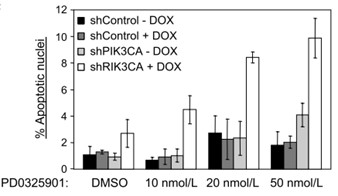
Introduction Apoptosis signal-regulating kinase 1 (ASK1), a family member of the mitogen-activated protein (MAP) kinase kinase kinase (MAP3K) family, selectively activates the JNK and p38 MAP kinase pathways in response to various types of stresses, including oxidative stress, and subsequently indu
-
Rucaparib free base sale A next series of experiments
2024-12-04

A next series of experiments explored whether cardiac Ampkα1 Rucaparib free base sale is modified in response to pressure overload imposed by TAC. As a result, 2weeks of TAC treatment significantly increased Ampkα1 protein abundance in cardiac tissue from Ampkα1+/+ mice as compared to sham treated
-
br Conclusions br Introduction In the modern
2024-12-04
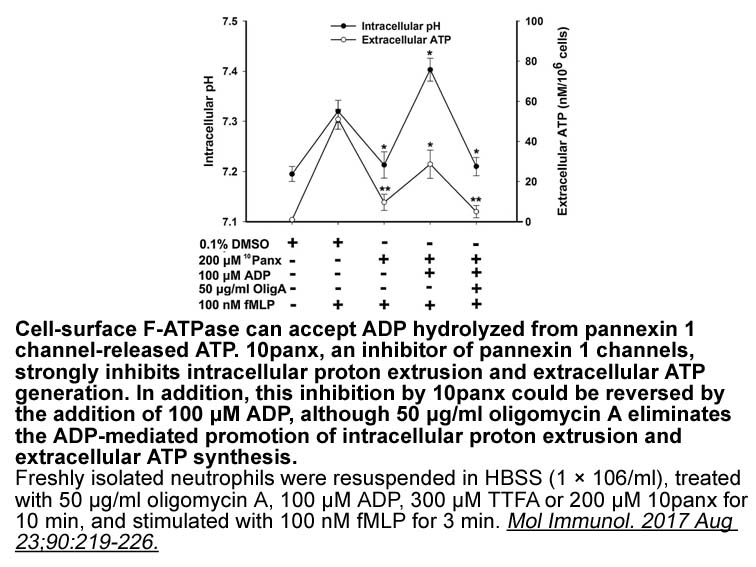
Conclusions Introduction In the modern life of humans, Lck Inhibitor are widely prescribed for therapy against bacterial diseases to prevent the onset of bacterial infections during a viral disease (Goossens et al., 2005; Van Boeckel et al., 2014). They have been massively administered and per
-
br Materials and methods br
2024-12-03
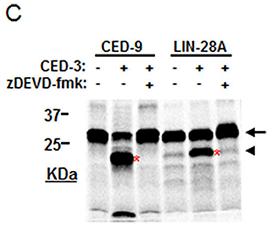
Materials and methods Results Discussion We have in this study used semi-nested degenerative PCR to identify the lipoxygenases expressed in the lung tissue from M. fascicularis and report on the identification of 5- and 12/15-LO transcripts from this tissue. Although we did not find transcr
-
br Potential and established risk factor for
2024-12-03
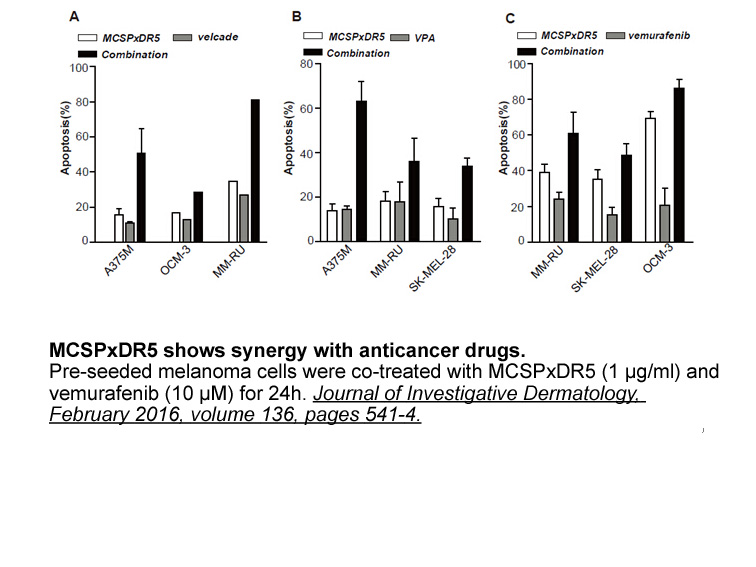
Potential and established risk factor for Alzheimer’s Disease The only way to overcome the above mentioned limitations is the identification of risk factors, which, taken together, can reliable predict the development of AD. Age and ApoE4 are established non-modifiable risk factors for AD. The ri
-
Curcumin is able to upregulate the protein level of
2024-12-03
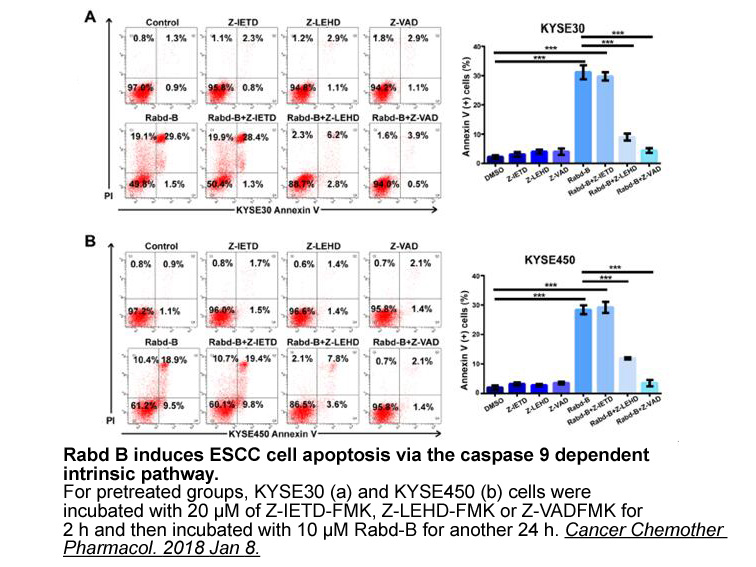
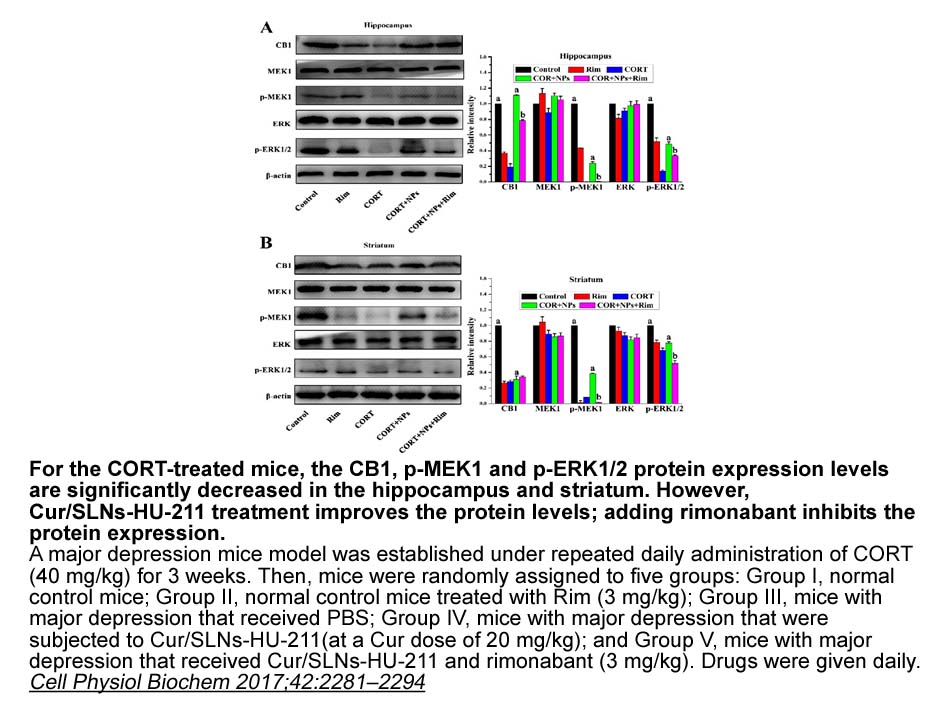
Curcumin is able to upregulate the protein level of NGF through cannabinoid receptor CB1, where the activation of Akt pathway probably plays an important part in the CB1-mediated signal transmission [9,10]. This finding suggested that the protection of curcumin in spinal motor neurons of SNI rats is
-
Most of the modifications in the sympathetic nervous
2024-12-03

Most of the modifications in the sympathetic nervous system occurring with aging, including decreased βAR responsiveness, increased circulating catecholamines, and overall hyposensitivity to adrenergic stress, are also observed in patients with failing hearts. Moreover, young people are more reactiv
-
br Acknowledgments br Introduction Hypospadias is a common
2024-12-02
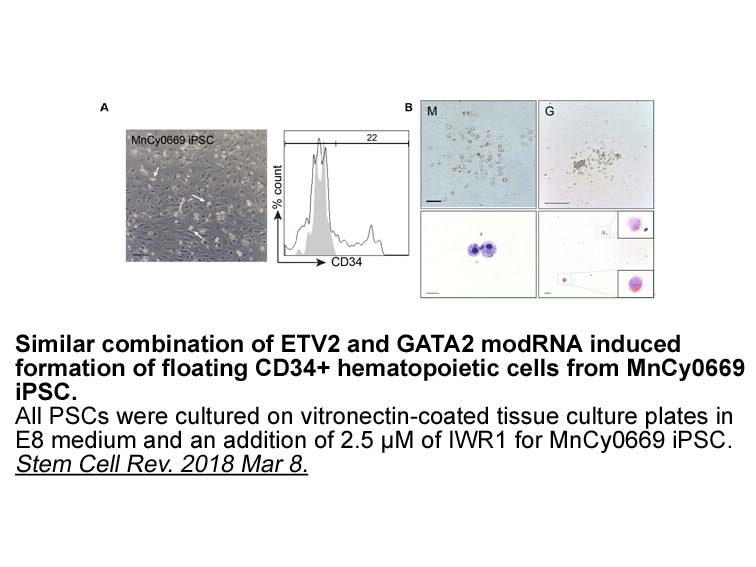
Acknowledgments Introduction Hypospadias is a common congenital malformation in males, in which the urethral orifice is found on the ventral side of the penis as a result of incomplete fusion of urethral folds. The mean prevalence in per 10,000 live births from 1910 to 2013 were: Europe 19.9,
-
What can we learn about the anticancer
2024-12-02
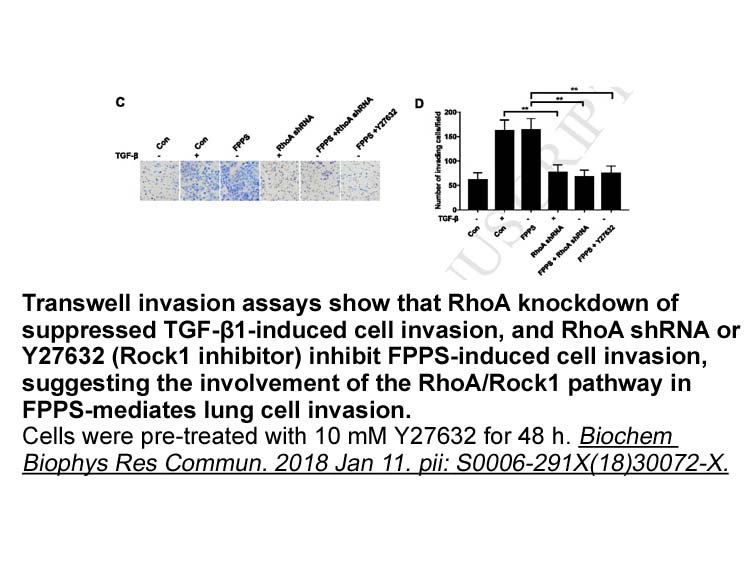
What can we learn about the anticancer therapeutic efficacy of Aurora kinase inhibitors from our experience with the Bcr-Abl inhibitors and the long term clinical consequence of their use in treating leukemias? As discussed, all Aurora kinase inhibitors developed to date are ATP-competitive inhibito
-
These results must also be addressed in
2024-12-02
These results must also be addressed in light of porcine AMPKγ3R200Q (RN−) mutation. Pigs harboring this mutation produce meat with an abnormally low ultimate pH (pHcomt inhibitors meat (Copenhafer et al., 2006, Lundström et al., 1998, Milan et al., 2000). This extremely low pH is very close to the
-
A disruption of lung barrier function caused by PM has
2024-12-02
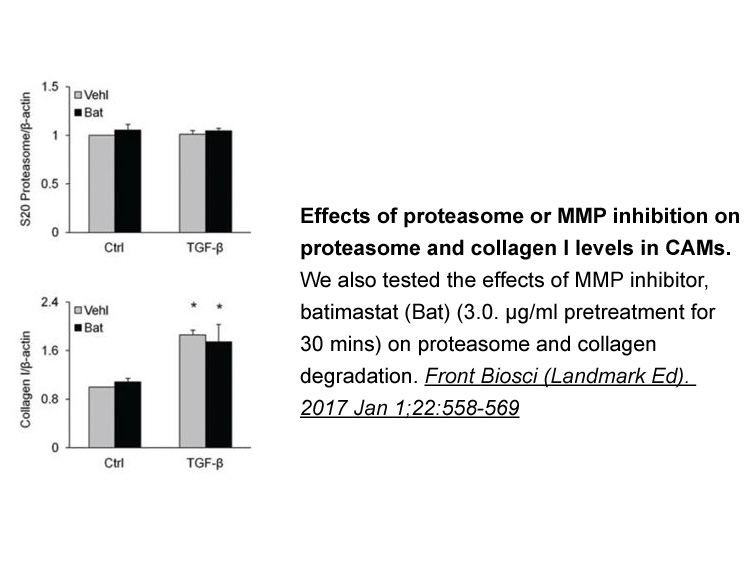
A disruption of lung barrier function caused by PM2.5 has been observed in our experiments; however the underlying mechanism has not been investigated. Zhao et al. (2018) reported that PM2.5 down-regulated the expression levels of tight junction (TJ) proteins and resulted in nasal epithelial barrier
-
We initially established using fMRI that auditory
2024-12-02
We initially established using fMRI that auditory processing by the caudomedial nidopallium (NCM) of male European starlings (Sturnus vulgaris) of species-specific aspects of songs (whistles and warblings i.e. high-pitched trills coming from the end of the warbling that are found in the repertoire o
-
According to the diversity in molecular skeletons aromatase
2024-12-02
According to the Ro3280 in molecular skeletons, aromatase inhibitors can be categorized into two types: steroidal and non-steroidal blockers [6]. Steroidal AI (e.g., exemestane in Fig. 1) derived from the substrate androstenedione interacts with aromatase through chemical actions, resulting in an ir
7822 records 72/522 page Previous Next First page 上5页 7172737475 下5页 Last page